3D Printing Pens: Shaping Identity Through Creative Design
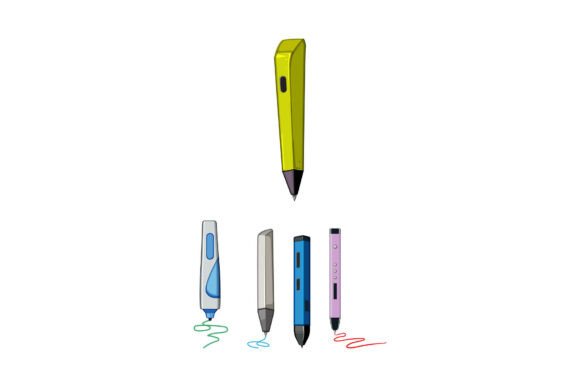
3D printing pens are more than just tools—they’re instruments of imagination. These handheld devices extrude heated plastic that cools quickly, allowing users to draw in three dimensions. Whether sketching abstract art, building prototypes, or crafting personalized gifts, 3D pens open a world of creative freedom. For many, they represent a personal design revolution, enabling anyone to bring ideas to life in tangible form.
Why Creative Tools Matter Across Different Audiences
What makes 3D printing pens appealing isn’t just the novelty of drawing in space—it’s their accessibility. A beginner might see them as an entry point to design thinking, while a professional could view them as a rapid prototyping solution. Educators appreciate their ability to engage students visually, and entrepreneurs might explore their potential for product mockups or custom merchandise. Each user group interacts with these tools differently, based on goals, skill levels, and expectations.
Beginners: A Gateway to 3D Design
For those new to 3D creation, a 3D pen lowers the barrier to entry. Unlike complex CAD software or full-sized printers, these pens require no prior technical knowledge. You simply plug in the pen, load the filament, and start drawing. This tactile experience helps beginners grasp spatial concepts intuitively. It’s a playful way to learn about materials, layering, and structural integrity without overwhelming technical steps.
Creators and Artists: Sculpting with Color and Form
Visual artists and hobbyists use 3D pens to explore new dimensions in their work. The ability to “draw” in the air opens up possibilities for sculptures, jewelry, and mixed-media pieces. Some creators layer plastic lines to build intricate models, while others use them to add 3D embellishments to canvases or fabric. The variety of filament colors allows for vibrant, expressive designs that stand out in galleries or online portfolios.
Educators: Hands-On Learning for STEM and Art Classes
In classrooms, 3D pens serve as interactive tools for teaching geometry, engineering, and design principles. Students can construct geometric shapes, architectural models, or mechanical parts—learning by doing rather than just observing. Teachers find that these pens help make abstract concepts concrete, especially for visual and kinesthetic learners. They also encourage creativity across subjects, blending science with art in meaningful ways.
Professionals and Entrepreneurs: From Concept to Prototype
Designers, engineers, and product developers often turn to 3D pens for quick ideation. Before investing in full-scale production or 3D printing, they can sketch out rough models to test form and function. This rapid prototyping method is especially useful in early brainstorming sessions or when presenting ideas to clients. Some small business owners even use 3D pens to create custom packaging samples or limited-edition items for niche markets.
Consumers and Hobbyists: Personalized Projects at Home
For home users, 3D pens offer a way to personalize everyday items. From custom phone cases to decorative wall art, these pens let people express their individuality through handmade creations. Families enjoy using them for collaborative projects, turning rainy days into opportunities for bonding and creativity. The ability to work with different filament types—like flexible, glow-in-the-dark, or wood-infused plastics—adds to the appeal.
What to Consider When Choosing a 3D Printing Pen
Not all 3D pens are created equal. Different users prioritize different features, depending on their needs and experience levels. Here’s a breakdown of what matters most to various audiences:
- Beginners: Look for pens with intuitive controls, auto-feeding filament, and safety features like cool-touch tips.
- Artists: Prioritize color versatility, smooth extrusion, and compatibility with specialty filaments.
- Educators: Choose durable models with classroom-friendly accessories and easy cleanup.
- Professionals: Opt for precision controls, adjustable temperature settings, and fast heating times.
- Hobbyists: Consider price, filament compatibility, and ease of use for varied projects.
Cost vs. Quality: Finding the Right Balance
Entry-level pens can be surprisingly capable for casual use, but professionals may find limitations in build quality and control. Mid-range pens often offer a sweet spot between affordability and performance. High-end models come with advanced features like digital displays, variable speed settings, and dual extrusion, but these may be overkill for someone just exploring the medium.
Learning Curve and Creative Freedom
Some pens require more practice to master than others. Those with adjustable speed and temperature settings offer more control but may overwhelm beginners. Simpler pens with one-button operation are great for kids or first-time users. The key is to match the tool to your current skill level while allowing room for growth.
Real-World Examples: How People Use 3D Pens
Here are a few ways different users incorporate 3D pens into their workflows and hobbies:
- A graphic designer creates physical mockups of logo concepts to show clients.
- A high school teacher guides students in building scale models of historical landmarks.
- An entrepreneur prototypes a new product idea before investing in molds.
- A parent and child collaborate on a model airplane for a school science fair.
- An indie artist sells 3D-printed jewelry at local craft fairs and online stores.
Long-Term Value and Creative Growth
When evaluating a 3D pen, it’s important to think beyond the first project. Will this tool support your growth as a creator? Can it adapt to more complex designs over time? Pens that offer interchangeable nozzles, filament variety, and upgrade paths tend to offer more long-term value. They grow with the user, supporting both spontaneous doodles and intentional builds.
Does a 3D Printing Pen Fit Your Goals?
If you’re curious about 3D creation but unsure where to start, a 3D pen might be the perfect first step. It’s a versatile tool that bridges the gap between traditional drawing and modern fabrication. Whether you’re an educator looking to inspire students, a creator exploring new mediums, or a professional refining your next big idea, 3D printing pens offer a tactile, immediate way to shape your vision.