Construction Crane 3D Rendering: Strategic Value for Design and Commercial Use
Construction crane 3D rendering has become more than just a visual tool for architects and engineers. With the rise of digital design and product customization, these high-quality images are now essential for entrepreneurs, creators, and businesses looking to enhance their visual communication and product offerings. Whether you're designing merchandise, building a brand identity, or creating digital assets, the strategic use of construction crane 3D renderings can significantly impact your creative and commercial outcomes.
Understanding the Practical Use of Construction Crane 3D Renderings
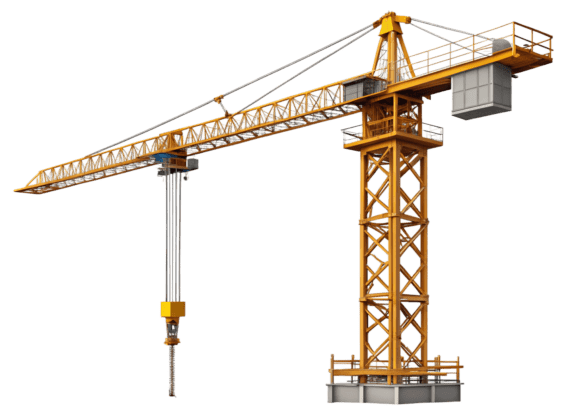
A construction crane 3D rendering is a digitally created image that represents a crane in three-dimensional space. These renderings are often created using specialized software and can be exported as high-resolution PNG files with transparent backgrounds. This format allows for seamless integration into various design projects, from apparel and accessories to digital graphics and marketing materials.
What makes these images especially valuable is their versatility. Because they come in transparent PNG format at 300 dpi, they are ideal for both print and digital applications. Whether you're creating a limited-edition t-shirt line, designing a phone case, or producing branded stickers, a construction crane 3D rendering can serve as a powerful visual element that conveys strength, precision, and professionalism.
How to Strategically Use 3D Renderings in Your Projects
Using construction crane 3D renderings effectively requires more than just placing an image on a product. It involves aligning the visual with your brand identity, target audience, and overall business goals. Here are some strategic applications:
- Branding and Identity: Incorporate the image into logos, packaging, or promotional materials to evoke themes of construction, progress, and innovation.
- Merchandise and Apparel: Use the renderings on t-shirts, hoodies, or bags to appeal to professionals in the construction industry or fans of industrial design.
- Digital Graphics: Integrate them into website banners, social media visuals, or presentation slides to add a professional and thematic touch.
- Promotional Products: Apply them to mugs, stickers, or phone cases as part of a targeted marketing campaign or event giveaway.
Planning for Long-Term Value and Brand Consistency
Before downloading and using a construction crane 3D rendering, consider how it fits into your long-term brand strategy. Ask yourself:
- Does this image align with my brand’s tone and message?
- Will it resonate with my target audience across different platforms and products?
- Is the file quality sufficient for both small-scale and large-scale production?
High-quality PNG files with transparent backgrounds offer flexibility, but they should still be used thoughtfully. For example, if you're launching a line of industrial-themed home décor, a construction crane image can reinforce the theme across items like pillows, wall art, and mugs. However, if the image feels out of place or inconsistent with your brand, it can dilute your message rather than strengthen it.
When to Use and When to Avoid 3D Renderings
There are clear scenarios where construction crane 3D renderings add value—and others where they may not be the best choice. Consider using them when:
- You need a professional, scalable image for both print and digital use.
- Your design requires a transparent background for layering or overlay purposes.
- Your audience has a connection to the construction, engineering, or architectural industries.
Conversely, avoid using these images if:
- Your brand identity is minimalist or abstract and doesn’t align with industrial imagery.
- You're targeting a demographic that may not relate to or understand the symbolism of construction equipment.
- You’re using the image without customization, making it feel generic or unoriginal.
Avoiding Common Pitfalls in Design and Application
One of the biggest risks of using a construction crane 3D rendering is treating it as a quick design shortcut rather than a strategic asset. Many creators fall into the trap of downloading an image and placing it directly onto a product without considering how it integrates with the overall design. This can result in a lackluster visual that fails to engage customers or support brand goals.
To avoid this, consider:
- Customizing the color or style of the rendering to match your brand palette.
- Combining it with other design elements to create a cohesive visual story.
- Testing the image across different product types to ensure clarity and impact.
Maximizing ROI Through Thoughtful Application
Investing in high-quality construction crane 3D renderings should be seen as part of a broader design and marketing strategy. When used correctly, these images can increase the perceived value of your products, streamline your design process, and improve customer engagement. For instance, a construction-themed merchandise line featuring consistent, high-quality imagery can help establish a professional and recognizable brand presence—especially in niche markets.
Moreover, because these files are provided in a zip folder with no watermark and are approved for commercial use, they offer long-term flexibility. You can reuse them across multiple projects, reducing the need for repeated design work and licensing fees.
Conclusion: Building a Strong Visual Foundation
In today’s competitive market, the strategic use of construction crane 3D renderings can make a meaningful difference in how your brand is perceived and how effectively your products perform. By choosing high-quality, transparent PNG files that align with your brand’s mission and aesthetic, you position yourself to create compelling, professional designs that stand out across multiple platforms.
Whether you're launching a new product line, updating your digital assets, or creating branded merchandise, take the time to evaluate how a construction crane 3D rendering can support your goals. With thoughtful planning and intentional use, this powerful visual tool can become a cornerstone of your creative strategy.