Bringing Tradition and Style to 3D Printing with the Samurai Cartoon 3D Model
Understanding the Samurai Cartoon 3D Model
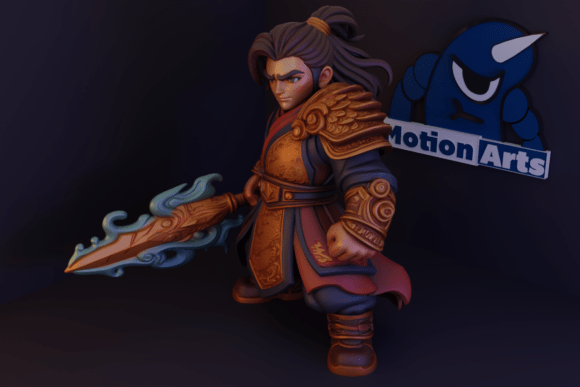
The Samurai Cartoon 3D Model for 3D Printing is a stylized digital asset designed to bridge traditional Japanese culture with modern creative workflows. This character model combines playful proportions with classic samurai elements, making it an accessible and engaging option for 3D printing enthusiasts. Its design prioritizes both visual appeal and functional printability, ensuring that users—especially those at a beginner level—can produce a high-quality physical model without excessive setup or post-processing.
As a closed-shape, solid-volume model, it eliminates many of the common pitfalls associated with intricate or delicate designs. This makes it a reliable choice for users looking to integrate 3D-printed decorative elements into personal or professional projects. Whether used for display, educational purposes, or as part of a themed collection, the Samurai Cartoon 3D Model fits naturally into a broader creative pipeline where aesthetics and practicality must align.
Integrating the Model into Your Creative Workflow
Before diving into the actual printing phase, it's important to understand how the Samurai Cartoon 3D Model functions within a complete project lifecycle. It can serve as a foundational element in a variety of creative undertakings, from personal hobby builds to classroom demonstrations or small-scale product development.
- Pre-Production Planning: Before printing, consider how this model will fit into your larger project. Is it a standalone piece or part of a series? Will it be painted or used as-is? These decisions influence how you prepare the file, choose materials, and plan for post-processing steps.
- Model Preparation: The STL file format ensures compatibility with most 3D printing software suites. Since support structures are required, take time to configure your slicer settings for optimal overhang support and clean layer transitions. This helps maintain the model's stylized details without introducing unnecessary complexity.
- Printing Execution: Thanks to its stable structure and absence of fragile components, the Samurai Cartoon model prints reliably on most FDM or resin-based printers. Monitor the first few layers closely to ensure proper bed adhesion, especially if you're using a beginner-level machine.
- Post-Processing and Use: Once printed, light sanding and primer application can enhance the cartoon aesthetic. This model is especially well-suited for painting, making it a great option for hobbyists or educators teaching basic model finishing techniques.
Practical Use Cases Across Industries and Hobbies
While the Samurai Cartoon – 3D Model for Printing is primarily designed with beginners in mind, its versatility makes it applicable across a wide range of creative and professional scenarios:
- Education: In classrooms or workshops, this model can be used to teach basic 3D modeling and printing concepts. Its friendly design helps engage younger students, while its structural simplicity ensures reliable results even on entry-level equipment.
- Product Prototyping: For creators developing a themed product line—such as collectibles or home decor—the Samurai Cartoon can serve as a sample piece to test color schemes, material choices, and finishing techniques before scaling up.
- Content Creation: Bloggers, YouTubers, and social media creators can use this model as a subject for tutorials, unboxing videos, or comparative reviews of 3D printers and filaments.
- Home and Office Decor: The model’s stylized look makes it a charming addition to personal workspaces or themed interiors. It pairs well with other oriental-inspired decor or anime-themed collections.
Compatibility and Integration with Tools and Platforms
One of the key strengths of the Samurai Cartoon 3D Model for 3D Printing is its compatibility with a wide range of tools and platforms. The standard STL format ensures it can be imported into most slicing software, including Cura, PrusaSlicer, and Simplify3D. Additionally, it works well with both FDM and resin printers, giving users flexibility in their preferred printing method.
For those who wish to modify or customize the model, it can be imported into 3D modeling software such as Blender, Tinkercad, or Fusion 360. This opens up opportunities for personalization—such as adjusting scale, adding text, or combining it with other models to create a custom scene or diorama.
When integrating this model into a larger project, consider how it interacts with other assets. For example, if you're creating a themed display or a set of stylized characters, ensure that proportions, print settings, and finishing techniques align across all models to maintain consistency in the final output.
Optimizing for Efficiency and Quality
Efficiency and quality are two critical factors when incorporating any 3D model into a regular workflow. Here are some practical tips to help you get the most out of the Samurai Cartoon – 3D Model for Printing:
- Layer Height and Infill: For a balance between detail and print time, use a layer height of 0.16–0.2 mm and an infill density of 15–20%. This is sufficient for display purposes and helps conserve material.
- Support Settings: Enable support structures where needed, especially around the helmet and shoulder armor. Adjust the support density to avoid over-extrusion, which can make removal difficult.
- Material Choice: PLA is an excellent choice for beginners due to its ease of use and availability in a wide range of colors. For a smoother finish, consider using PETG or resin if you have access to an SLA printer.
- Post-Processing Workflow: Sanding with 200–400 grit paper followed by a coat of primer will prepare the model for painting. Acrylic hobby paints work well for adding color without requiring advanced techniques.
Long-Term Use and Project Expansion
Once you've successfully printed and finished your first Samurai Cartoon model, consider how it can contribute to ongoing or future projects. Because of its modular design and beginner-friendly nature, it's an excellent candidate for batch printing or integration into larger collections.
For educators or hobbyists, this model can serve as a foundational piece in a series exploring different historical or cultural figures. It can also be used as a base for digital asset creation, such as scanning and re-modeling to practice reverse engineering techniques.
From a business perspective, creators can incorporate this model into a product catalog as a downloadable or printed item. Its universal appeal and ease of production make it a smart addition to any 3D printable store or creative portfolio.
Final Thoughts
The Samurai Cartoon 3D Model for 3D Printing is more than just a fun character to print—it’s a practical tool that supports learning, creativity, and efficient production. Whether you're a beginner looking to build confidence with your printer or a professional integrating 3D assets into a larger workflow, this model offers a blend of style, usability, and adaptability that makes it stand out.
By understanding how to prepare, print, and integrate this model into your broader creative or business process, you can unlock new opportunities for expression, education, and innovation—all while bringing a touch of tradition and charm into your 3D universe.