Pirate Octopus 3D Model for 3D Printing: A Stylized Fusion of Adventure and Printability
Bringing the Seven Seas to Your Desktop
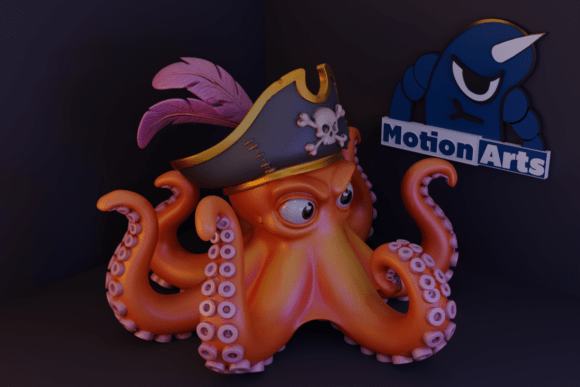
The Pirate Octopus 3D Model for 3D Printing is a creative and functional design that merges the whimsical world of pirate lore with the practicality of modern 3D printing. This unique model captures the essence of maritime adventure through its expressive tentacles and pirate-themed accessories, while maintaining a robust structure suitable for both novice and experienced makers.
Designed with stability in mind, this 3D model avoids fragile components that can complicate the printing process. Its closed shapes and well-defined volumes ensure that even entry-level 3D printers can produce a high-quality, finished piece. Whether you're a hobbyist, educator, or collector, the Pirate Octopus offers a compelling project that's as enjoyable to print as it is to display.
Design Features That Enhance Printability
One of the standout characteristics of the Pirate Octopus – 3D Printing Model is its focus on structural integrity. Unlike many stylized models that feature delicate appendages or intricate details that can break during printing or handling, this design prioritizes durability. The tentacles are proportioned to avoid thin, unsupported sections, and the overall geometry minimizes the need for excessive support structures.
- Stable Base: The model includes a broad, balanced foundation that prevents tipping during printing and display.
- Minimal Overhangs: Strategic design choices reduce the number of overhangs, making the model easier to print without supports.
- Optimized Surface Detail: Textures and engravings are deep enough to be visible but not so fine that they require high-end printers or advanced settings.
These design choices make the Pirate Octopus especially suitable for beginner-level 3D printing projects, where learning the fundamentals of layer adhesion, support removal, and post-processing are key objectives. The model’s forgiving nature allows users to focus on mastering printer settings rather than troubleshooting failed prints.
Applications Across Creative and Educational Fields
While the Pirate Octopus may appear to be a novelty item, its versatility extends beyond simple decoration. It serves as a valuable asset in a variety of contexts:
- Themed Collections: For enthusiasts of nautical themes or fantasy characters, this model adds a playful, eye-catching element to any display.
- Classroom Projects: Educators can use the Pirate Octopus to introduce students to 3D modeling, design principles, and the mechanics of 3D printing in a fun, engaging way.
- Children's Creative Activities: As a safe, printable toy or decoration, it encourages imaginative play and introduces younger audiences to STEM concepts through hands-on creation.
- Home Decor: With its stylized look and bold pirate motifs, the model fits well in creative workspaces, pirate-themed rooms, or as a quirky desk ornament.
Its adaptability also makes it a strong candidate for customization. Users can modify textures, scale the model for different uses, or even integrate it into larger dioramas or fantasy scenes. This flexibility enhances its appeal to both personal creators and small businesses looking to expand their product lines with printable merchandise.
Technical Considerations for Optimal Printing Results
When working with the Pirate Octopus – 3D Printing Model Straight from the Seven Seas, several technical factors should be considered to ensure a successful print:
- File Format: The model is provided in STL format, a universally compatible file type accepted by most slicing software and 3D printers.
- Support Requirements: While the design minimizes the need for supports, certain angles or modifications may require them to maintain print quality.
- Layer Height: A layer height of 0.2 mm is generally sufficient for capturing detail without compromising print time.
- Material Choice: PLA is recommended for beginners due to its ease of use and minimal warping, though PETG or ABS can be used for more durable, professional-grade results.
Post-processing steps such as sanding, priming, and painting can further enhance the final appearance, especially for those looking to display the model in a professional or artistic setting. Given its closed geometry, the Pirate Octopus is also well-suited for resin printing if a smoother surface finish is desired.
Why the Pirate Octopus Stands Out Among 3D Models
In a market saturated with complex or overly technical 3D models, the Pirate Octopus strikes a rare balance between artistic flair and functional design. Unlike many fantasy-themed models that prioritize visual appeal at the expense of printability, this design ensures that both aesthetics and usability are given equal attention.
It exemplifies the growing trend of “maker-friendly” 3D assets—models that are not only visually engaging but also engineered to work seamlessly with the limitations and capabilities of home 3D printers. This approach aligns with broader movements in the 3D printing community that emphasize accessibility, education, and creative empowerment.
Conclusion: A Treasure for Makers of All Levels
The Pirate Octopus 3D Model for 3D Printing is more than just a decorative piece; it's a well-thought-out project that combines creativity, functionality, and educational value. Whether you're looking to add a unique character to your collection, engage students in 3D printing, or simply explore a fun and rewarding print, this model offers something for everyone.
With its balanced design, beginner-friendly structure, and thematic charm, the Pirate Octopus proves that 3D printing can be both adventurous and accessible. So hoist the sails, set your printer to go, and bring a touch of the high seas into your creative space with this standout model.